Why UK Casinos Are Removing Low-Stakes Tables from Live Blackjack
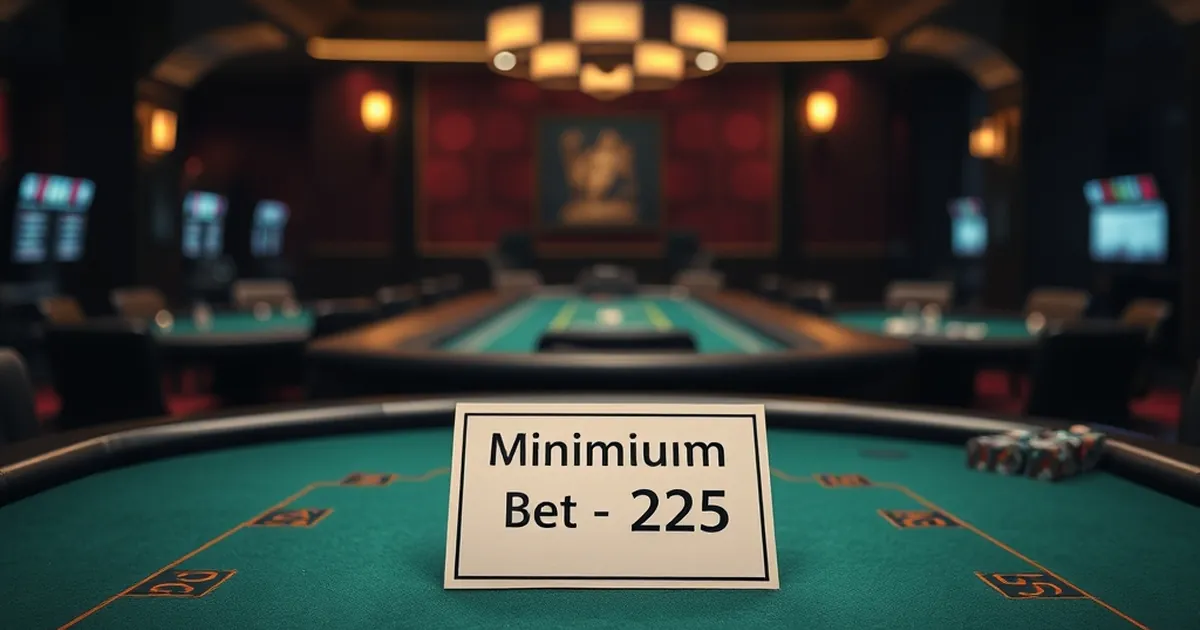
There was a time not so long ago when you could sidle up to a virtual blackjack table, place a modest £2 or £5 bet, and enjoy the social rhythm of the game without the anxiety of losing a week’s shopping budget. Today, those tables are vanishing from UK live casino lobbies at an alarming rate. The question on many players’ lips is simple: why are the operators pulling the rug from under the low-stakes player?
The Economics of the Live Dealer Studio
The live casino experience is a high-fixed-cost operation, and understanding that reality is the first step to seeing why the cheapest seats are being cleared out.
The Cost of Running a Real Table
Every live blackjack table you see on your screen requires a dedicated dealer, a physical studio with cameras, lighting rigs, card-shuffling machines, pit bosses, and a stream of technical support staff. The dealer must be paid the London Living Wage or better, and the studio overheads don’t drop just because the minimum bet is low. A table running with five players all betting £2 a hand generates roughly £10 per round in total wagers. At 60 hands per hour, that’s £600 in total turnover. The house edge on blackjack is slim—often under 1% with perfect basic strategy—so the casino’s gross win from that table might be a paltry £5 to £6 an hour. That sum does not cover the dealer’s salary, let alone the rent on the studio space or the licensing fees.
The Opportunity Cost of a Seat
Every seat at a live blackjack table is a limited resource. The studio can only accommodate a certain number of tables, and each table has a finite number of seats. When a low-stakes table is full of players betting £2 a hand, the casino is effectively blocking a seat that a high-stakes player might take. The high roller betting £100 a hand generates fifty times the revenue per round. In the brutal mathematics of iGaming, a seat occupied by a low-stakes player is a lost opportunity to earn significantly more per minute from another customer. Operators are increasingly treating low-stakes tables as a drag on profitability, and they are acting accordingly.
The Shift in Player Demographics and Behaviour
The removal of low-stakes tables is not a random decision; it reflects a clear change in who is playing and how they are playing.
The Rise of the Mobile and Casual Player
The traditional image of the live casino player was someone sitting at a desktop computer with a few hours to spare. Today, the majority of live casino traffic comes from mobile devices, and the session lengths are shorter. The casual player who used to enjoy a long, low-stakes session is now more likely to play automated RNG blackjack or slots, where the overheads are negligible. Live dealer games are increasingly being positioned as a premium product for players who want the “VIP experience” from their sofa. Operators have noticed that the players who stay longest and engage most are those who bet higher stakes, not those who grind out small wins over hours.
The Regulatory Squeeze on Affordability Checks
The UK Gambling Commission has been tightening affordability checks and “friction” measures for the last few years. Operators are now required to perform financial checks on players who show signs of spending beyond their means. For the operator, a player who bets £2 a hand and visits three times a week is a compliance headache with very little revenue upside. The cost of performing a soft credit check or requesting payslips for a customer who only loses £50 a month is disproportionate to the profit. It is far simpler for the casino to raise the minimum bet threshold so that the remaining players are already filtered into a bracket where the compliance costs are justified by the revenue.
What This Means for the Low-Stakes Player
If you are a player who enjoyed the live dealer interaction without the high-stakes pressure, the landscape is changing, but not all hope is lost.
The Rise of the “Low-Stakes” Alternative Products
Some operators are experimenting with “light” live dealer formats that use automated dealing shoes or reduced dealer staffing to lower costs. You might see tables with a minimum bet of £5 or £10 that are still accessible, but the days of the £1 or £2 live blackjack table are largely over in the UK. The alternative is to look for “Infinite Blackjack” or “Speed Blackjack” variants, which use a single dealer for a much larger pool of players. These games often have lower minimums because the cost per player is spread across dozens of seats at once. You lose some of the personal interaction, but you keep the live dealer feel and a more reasonable entry point.
Adjusting Your Strategy
If you still want to play live blackjack in the UK, you might need to adjust your bankroll expectations. A £10 minimum bet table is now common across most major operators. That means a session bankroll of at least £200 to £300 is advisable if you want to survive the natural variance of the game. You can also look for tables that offer “side bets” or “perfect pairs” options, as these often have lower table minimums because the casino makes more margin on the side bet. The trade-off is a higher house edge on those side bets, so use them sparingly. The key is to treat the higher minimum as a signal that you are now playing in a more premium environment, and you should approach it with the discipline that entails.
A Concrete Example: The Vanishing £5 Table
I remember a specific operator, a well-known brand on the UKGC register, that used to run a dedicated “Low Limit” live blackjack studio with five tables all starting at £2. They were always busy, often with a waiting list. Over the course of six months in 2023, those tables were gradually relabelled. First, the minimum went to £5. Then, the tables were consolidated from five to two. Finally, the remaining two were removed entirely and replaced with a single “VIP” table at £25 minimum. The operator’s official line was “streamlining the product offering,” but the reality was that the low-stakes tables were costing them money in dealer wages and studio floor space. The players who loved those tables were left with the choice of moving to automated blackjack or paying the new premium. Many simply stopped playing live blackjack altogether.
Practical Takeaway: How to Protect Your Play
The trend is unlikely to reverse. The UK market is consolidating, and operators are chasing the high-value customer with more vigour than ever. If you want to keep playing live blackjack without breaking the bank, focus on the following: look for “multi-player” live blackjack variants that pool many players against one dealer, as these often have lower minimums. Consider playing during off-peak hours when operators might relax minimums to fill empty seats. And most importantly, keep your bankroll management tight. The days of the casual £2 hand are fading, but the game itself remains one of the best value propositions in the casino if you play smart. The forward-looking player adapts to the new minimums rather than mourning the old ones.