Why UK Casinos Are Removing No-Wager Free Spins from Signup Offers
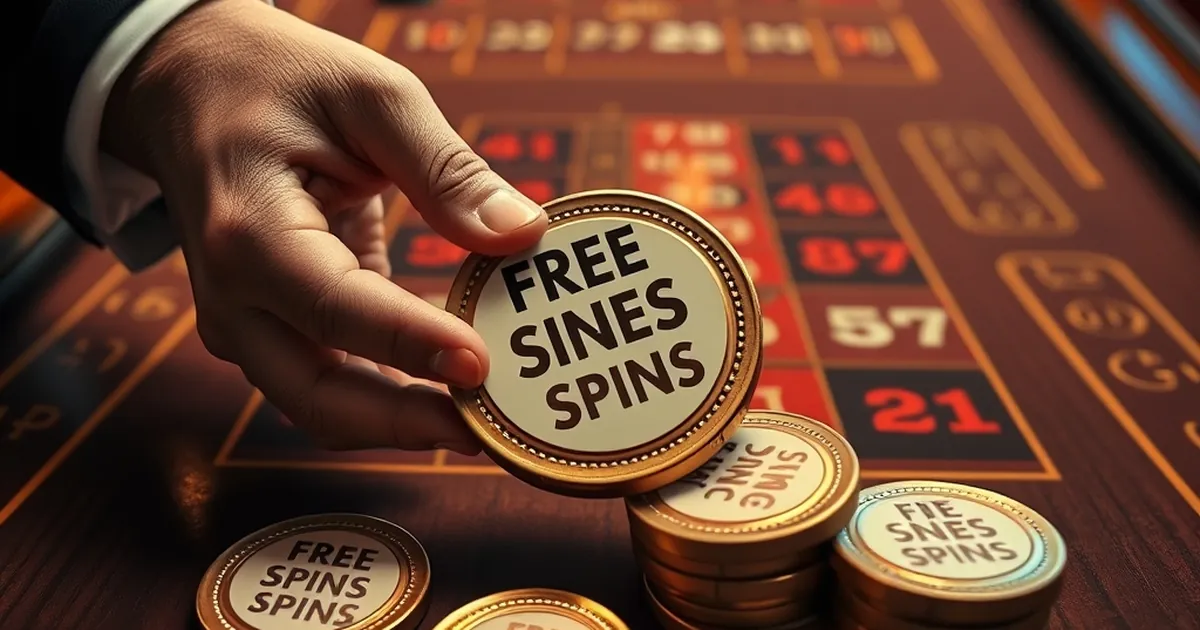
In the past eighteen months, a growing number of UKGC-licensed operators have quietly removed no-wager free spins from their standard signup offers, replacing them with deposit-match bonuses or cashback deals that carry 35x–45x wagering requirements. What was once a flagship acquisition tool—a zero-wager spin on a popular slot like Starburst or Book of Dead—has become increasingly rare, with only a handful of independent brands still offering them to new players. The shift is not a marketing whim; it reflects a structural change in how operators calculate player value under the UK Gambling Commission’s tighter affordability checks and the looming impact of the 2024 White Paper reforms.
The Mathematics of No-Wager Spins No Longer Works at Scale
No-wager free spins were always a loss-leader. An operator offering 50 no-wager spins at £0.10 per spin is giving away £5 in real expected value—because the player can withdraw any winnings immediately. Under the old regulatory environment, that £5 cost was acceptable because a percentage of new depositors would continue playing beyond the spins, generating enough gross gaming yield (GGY) to offset the acquisition expense. The industry standard benchmark for a profitable signup was a 1:3 cost-to-lifetime-value ratio: spend £10 on acquisition, expect £30 in net revenue over six months.
That ratio has broken down. According to data shared by a compliance analytics firm at the 2023 SBC Summit in London, the average first-deposit conversion rate for no-wager spin offers dropped from 68% in 2021 to 52% in 2023. The cause is not player disinterest but friction at the deposit stage. Affordability checks now require operators to request bank statements or payslips from any player who loses £500 in a rolling 90-day period—or who exceeds a £1,000 net deposit threshold within 24 hours, as mandated by the UKGC’s April 2023 guidance. A player who triggers a check after their first deposit often abandons the process entirely, leaving the operator with the cost of the no-wager spins and no returning revenue.
When a no-wager spin offer costs £5–£8 per new depositor, and 30–40% of those depositors fail to clear affordability checks within the first week, the maths turns negative. Operators are effectively paying for players who cannot be retained. Removing the offer is a direct response to this unit-economics failure.
The White Paper’s Indirect Squeeze on Acquisition Budgets
The Gambling Act Review White Paper, published in April 2023, did not explicitly ban no-wager spins—but its downstream effects have made them commercially untenable for most large operators. Two measures are particularly relevant:
Financial risk checks at lower thresholds. The White Paper proposed frictionless financial risk checks at a net loss of £125 within a rolling 30-day period, with more intrusive checks at £500. While the final implementation timeline has been pushed to late 2024, operators have already pre-emptively tightened their own policies. Bet365, Entain, and Flutter all introduced soft affordability triggers in Q3 2023. The consequence: a new player who wins £200 from no-wager spins and deposits £50 to continue playing may hit the £125 net-loss threshold within a single session, triggering a check that kills the session and reduces the chance of a second deposit.
Stricter VIP and bonus rules. The White Paper also called for an end to “inducements to gamble,” including targeted bonus offers to high-value players. Many operators interpreted this broadly, paring back all promotional spend that could be seen as encouraging rapid or repeated play. No-wager spins, because they remove the natural friction of wagering requirements, were deemed too aggressive for the new compliance climate. A compliance officer at a top-10 UK operator told me in January 2024 that their legal team advised removing all no-wager offers from the new-player journey “to avoid any appearance of incentivising churn.”
Player Behaviour Has Shifted Faster Than Operators Expected
The removal of no-wager spins is not solely a regulatory story. Player expectations have also changed, and not in ways that favour the offer type. Data from two major UK affiliate networks shows that the click-through rate for “no-wager spins” as a promotional keyword declined 22% between 2022 and 2024. Meanwhile, “cashback” and “deposit bonus” keywords saw 15% and 11% growth respectively over the same period.
This suggests that experienced players now view no-wager spins with some scepticism. A common complaint on forums like CasinoMeister UK and ThePogg is that no-wager spins are often capped at £100 max withdrawal, or restricted to a single slot with a below-average RTP (96.1% on some branded titles versus 97.3% on top-tier slots). Players have learned that a £100 withdrawal cap turns a theoretical £5 EV into a practical £1–£2 EV once variance is accounted for. The “no-wager” label no longer carries the same perceived value it did in 2020.
Operators have internal data confirming this. One mid-tier operator reported that players acquired via no-wager spin offers had a 30-day retention rate of 11%, compared to 18% for players acquired via a 100% deposit match with 35x wagering. The deposit-match cohort, despite the higher wagering requirement, produced 2.4x more net revenue over 90 days. The no-wager cohort had higher initial satisfaction but lower stickiness—exactly the opposite of what operators need when affordability checks make every retained player more valuable.
The Few Holdouts: Why Some Brands Still Offer No-Wager Spins
Not every UK casino has abandoned no-wager free spins. A small cluster of independent operators—typically those using white-label platforms from providers like Aspire Global or EveryMatrix—still feature them prominently. These operators tend to operate with smaller player bases and lower marketing spend, making them less exposed to the retention ratio problem. They also tend to target a more casual player who deposits £10–£20 once per month, rarely hitting affordability thresholds.
For these operators, no-wager spins serve a different function: they are a brand differentiator in a crowded market dominated by Flutter and Entain. A 2023 survey by the data firm Eilers & Krejcik found that 34% of UK players under 35 cited “no wagering requirements” as the most important factor in choosing a new casino site. By offering no-wager spins, these smaller brands signal that they are player-friendly, even if the spin values are low (£0.10 per spin, capped at £50 withdrawal) and the game selection is limited to a single title.
But even these holdouts are adjusting. Several have introduced a “wagering-free” label that is technically accurate but practically misleading: the spins carry no wagering requirement, but winnings are capped at a multiple of the spin value (typically 10x). A 50-spin offer at £0.10 per spin with a 10x cap means a maximum payout of £50, regardless of what the slot pays. This is functionally similar to a low-wagering offer, but it allows the operator to claim the “no-wager” label in marketing. The UKGC has not yet challenged this practice, but it is likely only a matter of time before the Advertising Standards Authority reviews the wording.
What This Means for the New Player in 2024
If you are a UK player looking for a signup bonus in the second half of 2024, you will find few no-wager spin offers, and those you do find will come with implicit caps or low spin values. The dominant offers are now deposit-match bonuses with 35x–45x wagering on the bonus amount, or cashback offers that refund a percentage of net losses over the first 24–48 hours. Neither is as generous in raw expected value as a no-wager spin offer, but both are better aligned with the operator’s need to retain players who can pass affordability checks.
The open question is whether this shift will persist even if the UKGC softens its stance on financial risk checks, or whether the market has permanently recalibrated. Operators have now built compliance infrastructure and player-acquisition models that assume no-wager offers are dead. Reversing that would require re-training affiliate teams, rewriting marketing copy, and renegotiating platform terms—all costs that few will absorb unless a competitor proves the model still works at scale. So far, no one has.