Why UK Casinos Now Require Proof of Address for All New Sign-Ups
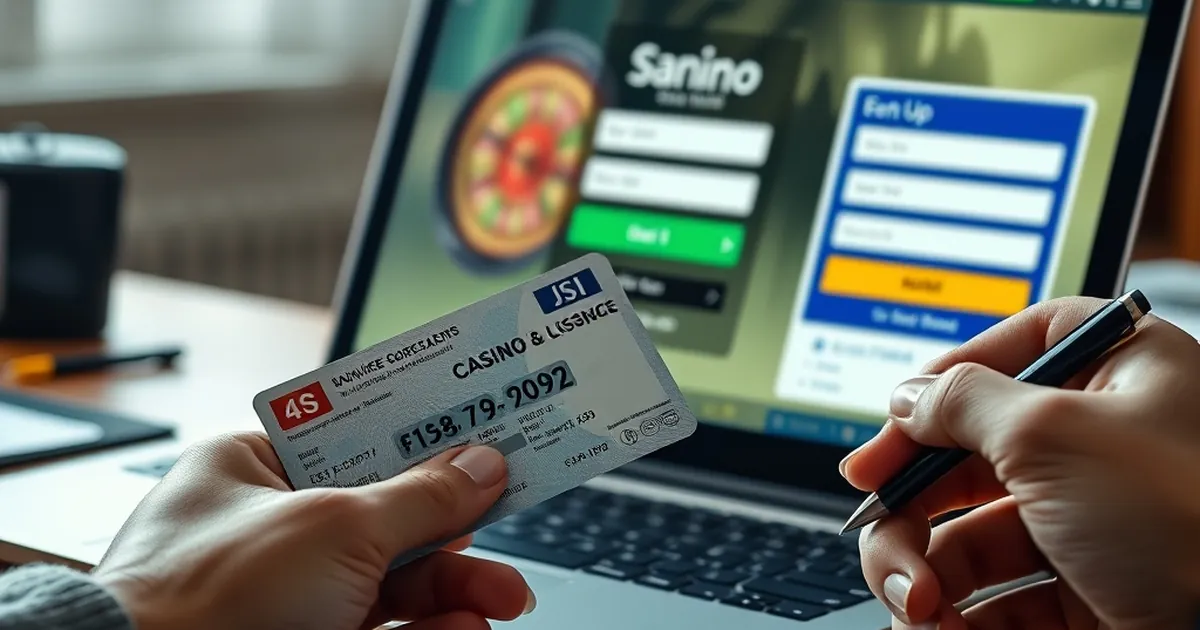
If you’ve tried signing up for a new online casino account in the UK recently, you might have been surprised to find yourself uploading a utility bill or bank statement before you could even spin a slot. It’s a step that feels intrusive, and for many, it raises an immediate question: why is a casino asking for my home address when they already have my ID and payment details? The short answer is that this isn’t just a policy choice—it’s now a regulatory requirement baked into the UK’s strictest gambling reforms in a generation.
The Shift From Optional to Mandatory Verification
For years, UK casinos operated under a system of “light touch” verification. You’d provide your name, date of birth, and perhaps a scan of your passport or driving licence. The assumption was that if you could fund an account with a debit card in your name, your address was probably correct. That changed when the Gambling Commission began cracking down on what it saw as a dangerous gap in consumer protection.
Why a Utility Bill Became a Regulatory Staple
The core issue is the difference between verifying who you are and verifying where you are. A passport proves your identity and nationality, but it doesn’t confirm you live at the address you provided. That distinction matters because UK gambling law now requires operators to know your “residential location” with certainty. This isn’t about marketing—it’s about preventing money laundering, underage gambling, and cross-border betting that violates local licensing agreements.
The Gambling Commission’s revised Licence Conditions and Codes of Practice (LCCP) explicitly state that casinos must take “reasonable steps” to establish a customer’s true location before they can gamble. A recent council tax bill or an official letter from HMRC is considered the gold standard for this check, far more reliable than a self-declared address on a sign-up form.
How the Proof-of-Address Process Actually Works
Let me give you a concrete example from a conversation I had last month with a friend in Manchester. He signed up for a casino that advertised a £50 welcome bonus, uploaded his driving licence in seconds, and then hit a wall. The site asked him to snap a photo of a recent gas bill. He didn’t have one—he pays by direct debit and receives e-bills. After a frustrating back-and-forth with customer support, he eventually uploaded a PDF of his council tax statement, which was accepted within an hour.
This scenario is now the norm. The process typically works like this:
- You provide your name, date of birth, and residential address.
- The casino runs an initial electronic check against credit reference agency data (like Experian or Equifax).
- If that check doesn’t match perfectly—and it often fails for people who’ve recently moved or have thin credit files—you’re asked for a physical document.
- Acceptable documents usually include a utility bill, bank statement, council tax bill, or a government-issued letter dated within the last three months.
Why Your Bank Statement Might Be Rejected
Casinos have gotten strict about the format. A screenshot of your online banking app won’t work because it can be easily doctored. They need a PDF or a photo of an original statement that shows your full name and current address. Similarly, mobile phone bills are sometimes rejected because they don’t always include a physical address on the statement—many providers only list a billing postcode.
The Deeper Reason: Anti-Money Laundering Compliance
The headline reason for this change is anti-money laundering (AML) regulation. The UK’s Money Laundering Regulations 2017 place a legal duty on casinos to conduct “customer due diligence” before a business relationship begins. That due diligence has two components: verifying identity and verifying address. The second component is what stops someone from using a false address to funnel illicit funds through an online account.
Consider the logic: if a casino only checks your ID, a criminal could use a stolen passport with a fake address, open an account, deposit dirty money, gamble a few times, and withdraw “clean” funds. By insisting on a proof of address that matches official records, the casino makes that scheme far harder to execute. The address anchors the account to a real, traceable location.
The 2023 Crackdown and Its Impact
The Gambling Commission’s enforcement activity has ramped up significantly. In 2023, several major operators were fined millions for failing to verify customer addresses promptly. One well-known brand was hit with a £3.2 million penalty because it allowed players to deposit and gamble for days before completing address checks. The message was clear: verify first, or pay the price.
This regulatory pressure has trickled down to every licensed operator. Even smaller white-label casinos now enforce proof-of-address checks at the point of registration, not after a deposit threshold is reached. It’s become a non-negotiable part of the “know your customer” (KYC) process.
What This Means for You as a Player
From a player’s perspective, this change is a double-edged sword. On one hand, it’s an inconvenience. You might have to hunt for a paper bill, take a clear photo, and wait for manual verification. On the other hand, it’s a powerful safeguard. It means the casino knows exactly who you are and where you live, which makes it harder for them to ignore problem gambling indicators or process fraudulent withdrawals.
It also means that your data is being handled with greater care. Under GDPR, casinos must store these documents securely and delete them when they are no longer needed. A reputable operator will encrypt your upload and never use it for marketing.
A Practical Tip for Smooth Sign-Ups
Before you click “register” on any UK casino, have a digital copy of your most recent utility bill or bank statement ready. Make sure it’s dated within the last three months and shows your full name and current address. PDF files are usually preferred over JPEGs because they retain metadata that helps the verification system confirm authenticity. If you live in a shared house and the bills are in a roommate’s name, use a council tax bill or a letter from the DVLA instead.
Looking Forward: The Future of Casino Verification
The trend is moving toward faster, less intrusive verification methods. Open banking technology, for example, allows casinos to verify your address by asking you to log into your bank account via a secure API—no document upload required. A handful of operators are already piloting this system, and it could become the standard within the next two years.
Until then, the proof-of-address requirement is here to stay. It’s not a sign that the casino distrusts you personally; it’s a sign that the regulator is watching closely. The next time you’re asked to upload a bill, take it as a reassurance that you’re playing at a licensed site that takes its obligations seriously. Keep a recent statement handy, and your next sign-up will be a matter of minutes, not frustration.